
way to cook falotani: Complete Recipe Guide, Ingredients and Step-by-Step Method
Introduction
Searching for way to cook falotani can feel confusing, because every recipe blog on the internet seems to describe a completely different dish under the same name. Before we go any further, here is the honest truth: falotani is not a documented traditional dish in any established cuisine, and no classic cookbook records its origin or history. The name lives almost entirely on online recipe blogs, where one site calls it a lentil stew, another a fried snack, and a third something else entirely. Just as readers look up Tate McRae’s age to separate verified facts from rumor, this guide will stick to what can actually be verified — and then give you the most widely described version, a hearty spiced lentil-and-vegetable stew that is genuinely delicious.
This article gathers the dominant version of falotani — the savory lentil-and-vegetable stew seasoned with cumin, turmeric and coriander — and turns it into a complete, practical cooking guide you can follow tonight. You will find an exact ingredient list, a step-by-step method, realistic timing, pro tips, easy variations, nutrition notes and answers to the most common questions. Where the internet disagrees, this guide says so plainly instead of inventing a backstory. By the end, you will know exactly how to cook a satisfying pot of falotani-style stew, even if the dish’s true origin remains a mystery of the internet age.
What Is way to cook falotani?
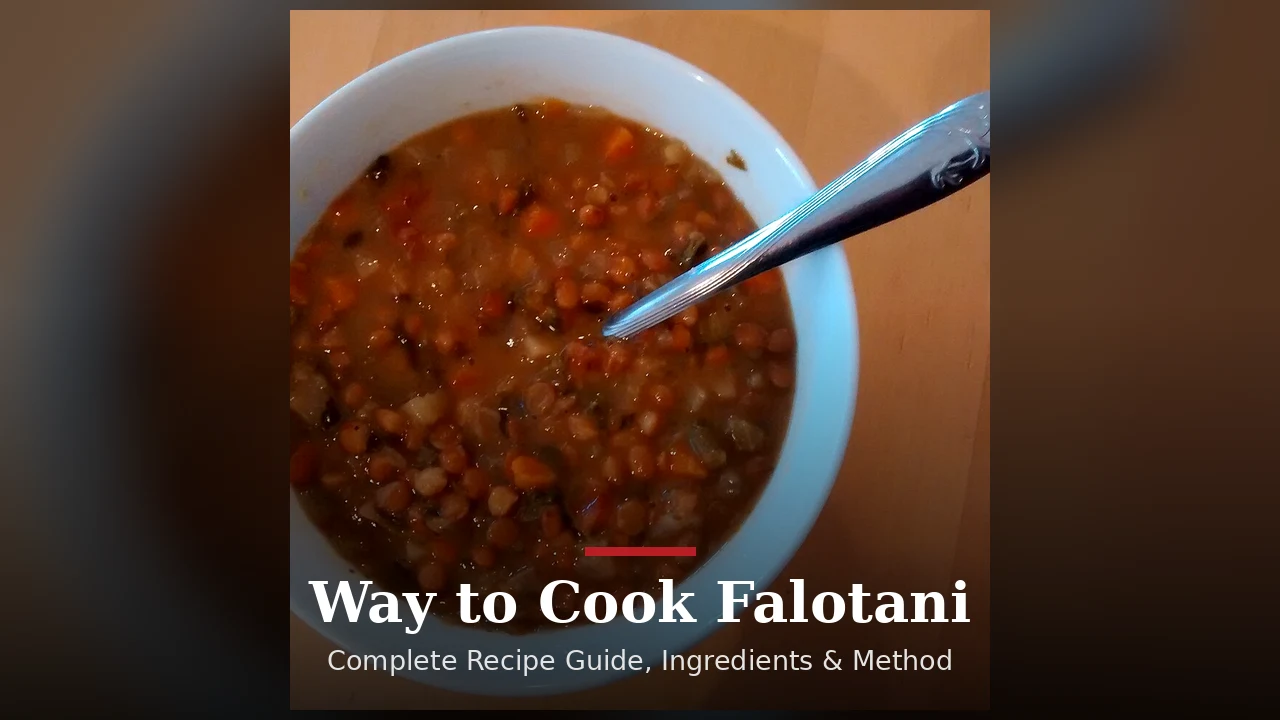
The version of way to cook falotani that appears most often online is a hearty spiced lentil-and-vegetable stew, cooked low and slow until the lentils collapse into a thick, comforting broth. Red or brown lentils form the base, supported by onion, garlic, carrots and bell peppers, and the whole pot is seasoned with the warm trio of cumin, turmeric and coriander. A squeeze of lemon juice and a handful of fresh herbs finish the dish, cutting through the earthiness with brightness. Served over rice or scooped up with naan or roti, it eats like a complete, deeply satisfying meal rather than a side dish.
What makes falotani unusual is that the name is shared by several completely different recipes depending on which blog you land on: some describe crispy fried potato-and-pea bites, others a yeasted flatbread, and a few even borrow the name for a curry-style preparation. None of these versions cite a traditional source, and they rarely resemble each other beyond the label. It is also worth knowing that falotani is not the same thing as faloodeh (also spelled faludeh), which is a real and ancient Persian frozen dessert made with thin vermicelli noodles, rose water and lime juice. Confusing the two will send your dinner plans in a very dessert-like direction, so keep the names — and the ingredients — firmly apart.
way to cook falotani: Ingredients You Will Need
One of the best things about the lentil-stew version of way to cook falotani is that it asks for nothing exotic: the ingredient list is built from pantry staples and everyday vegetables that most home cooks already own. Red lentils cook the fastest and break down into a silky, creamy body, while brown lentils hold their shape a little better for a chunkier stew — either works, so use what you have. The spice trio of cumin, turmeric and coriander does the heavy lifting on flavor, and vegetable broth adds a depth that water alone cannot match. The table below gives exact quantities for a family-size pot that serves four to six.
| Ingredient | Quantity |
|---|---|
| Red or brown lentils, rinsed | 1 1/2 cups (300 g) |
| Large onion, finely chopped | 1 |
| Garlic cloves, minced | 4 |
| Carrots, diced | 2 medium |
| Bell peppers, chopped (any color) | 2 |
| Ground cumin | 2 teaspoons |
| Ground turmeric | 1 teaspoon |
| Ground coriander | 1 1/2 teaspoons |
| Vegetable broth | 6 cups (1.4 liters) |
| Olive oil or neutral oil | 2 tablespoons |
| Salt | 1 1/2 teaspoons, or to taste |
| Black pepper | 1/2 teaspoon |
| Lemon | 1 (wedges, plus juice of half for finishing) |
| Fresh cilantro or parsley, chopped | 1/2 cup |
If your pantry is missing something, this stew forgives easily: sweet potato or zucchini can stand in for carrots and bell peppers, and a pinch of garam masala deepens the spice profile if you enjoy bolder flavor. Tomato paste or a chopped tomato adds welcome acidity alongside the lemon, though the classic blog versions keep the base simple. Use a good-quality vegetable broth rather than a bouillon cube dissolved in water if you can, because the broth becomes the soul of the finished stew. Keep the lemon non-negotiable, though — the final squeeze of acid is what lifts the whole pot from hearty to memorable.
way to cook falotani: Step-by-Step Cooking Method
Start by rinsing the lentils in a fine-mesh sieve under cold running water until the water runs mostly clear, then set them aside to drain while you prepare the vegetables. Chop the onion, mince the garlic, and dice the carrots and bell peppers into roughly even pieces so everything cooks at the same pace. Heat the oil in a heavy-bottomed pot or Dutch oven over medium heat, then add the onion and cook, stirring occasionally, until it turns soft and translucent — about five to seven minutes. Add the garlic and cook for one more minute, just until fragrant, taking care not to let it brown.
Lower the heat slightly and add the ground cumin, turmeric and coriander directly to the softened onion and garlic, stirring constantly for thirty to sixty seconds. This step, called blooming, wakes the spices up in the hot oil and deepens their flavor far beyond what you would get from tossing them into liquid raw. You will know it is working when the mixture turns intensely fragrant and the oil takes on a rich golden color. Do not walk away during this minute — ground spices can go from toasted to bitter in seconds, and burnt spices will haunt the entire pot.
Stir in the drained lentils, carrots and bell peppers, coating everything in the spiced oil for a minute so the flavors begin to marry. Pour in the vegetable broth, add the salt and black pepper, and raise the heat to bring the pot to a gentle boil. Once it bubbles, reduce the heat to low, partially cover the pot, and let the stew simmer quietly for twenty-five to thirty minutes. While the pot simmers, there is little to do but stir every ten minutes and scrape the bottom — a fine, unhurried moment to catch up on something light like Jameliz Smith — until the lentils have softened completely and the stew has thickened to a spoon-coating consistency.
Taste the stew and adjust the salt, then squeeze in the juice of half a lemon and stir through most of the chopped herbs. The acid is not optional garnish — it brightens the earthy lentils and makes the spices taste more vivid, so add it, taste again, and add a little more if the pot still feels flat. Ladle the falotani into deep bowls, scatter the remaining herbs over the top, and serve the lemon wedges alongside for anyone who wants extra brightness. Let the pot rest for five minutes off the heat before serving; like most lentil stews, it thickens and improves as it settles.
way to cook falotani: Cooking Time, Temperature and Pro Tips
The full timeline for way to cook falotani is refreshingly weeknight-friendly: about fifteen minutes of chopping and prep, followed by twenty-five to thirty minutes of mostly hands-off simmering, for a total of forty to forty-five minutes from cutting board to table. Keep the simmer gentle rather than rolling — aggressive boiling breaks lentils into mush before the vegetables are tender, while a lazy bubble lets everything soften in the same window. If the stew thickens too much as it sits, loosen it with a splash of hot broth or water; if it looks thin, simmer uncovered for five extra minutes. The quick facts below summarize the numbers at a glance.
| Quick Fact | Detail |
|---|---|
| Prep time | 15 minutes |
| Cook time | 25–30 minutes |
| Total time | 40–45 minutes |
| Servings | 4–6 |
| Difficulty | Easy |
| Diet | Vegetarian (easily vegan) |
| Storage | 4–5 days refrigerated; freezes up to 3 months |
Two professional habits separate a good pot from a great one: first, season in layers rather than dumping all the salt at the end, tasting after the lentils soften and again after the lemon goes in. Second, make a double batch on purpose, because this stew reheats beautifully and tastes even better on day two once the spices have fully settled into the lentils. A heavy-bottomed pot prevents the lentils from catching on the base during the final thickening stage, which is when scorching is most likely. Finally, treat the recipe as a template — once you trust the method, the vegetable mix and spice levels are yours to play with.
way to cook falotani: Easy Variations to Try
If you own a pressure cooker or Instant Pot, the way to cook falotani method compresses neatly: use the sauté function for the onion, garlic and bloomed spices exactly as described, then add the lentils, vegetables and broth. Seal and cook on high pressure for eight minutes for red lentils or twelve minutes for brown lentils, then allow a ten-minute natural release before venting the remaining steam. Stir in the lemon juice and herbs at the end as usual. The result is nearly identical to the stovetop version and ready in about thirty minutes total — a genuine weeknight rescue when the pantry is full and the energy is low.
The second personality of falotani found on recipe blogs is a batch of crispy, savory bites: a spiced potato-and-pea filling wrapped in a simple chickpea or wheat dough, shaped into small patties or balls. To make them, mash boiled potatoes with cooked peas, cumin, coriander, turmeric, salt and a little lemon, enclose spoonfuls in the dough, and bake or air-fry at 400°F (200°C) for fifteen to twenty minutes, turning once, until deeply golden. Serve hot with plain yogurt or a tangy chutney for dipping. Readers who enjoy collecting alternate versions of a dish the way fans follow Heidi Van Pelt will find this crunchy variation a fun weekend project to test against the classic stew.
For a Mediterranean-spiced twist, swap the cumin-coriander base for smoked paprika, a pinch of oregano and a bay leaf, and stir a handful of chopped spinach or kale into the pot for the last five minutes of simmering. A drizzle of good olive oil and a crumble of feta over each bowl — skip the feta for a fully vegan version — pushes the stew toward Greek-inspired territory. Some cooks also add a drained can of chickpeas alongside the lentils for extra texture and plant protein. Each of these riffs keeps the soul of the dish — humble lentils, warm spices, bright lemon — while giving regular cooks a reason to come back to the pot.
Is way to cook falotani Healthy? Nutrition Breakdown
The lentil-stew version of way to cook falotani is genuinely nutritious by almost any standard: lentils deliver abundant plant protein and soluble fiber, which support steady energy, healthy digestion and lasting fullness. Carrots and bell peppers contribute vitamin A, vitamin C and antioxidants, while turmeric brings its much-discussed curcumin — best absorbed alongside the black pepper and oil already in the recipe. Because the dish is naturally vegetarian and easily made vegan, it fits cleanly into plant-based eating patterns without any awkward substitutions. A generous bowl typically lands in the 300–400 calorie range before rice or bread, making it a sensible centerpiece for a balanced dinner.
As with any home cooking, the health picture depends on your hand: going heavy on the oil or serving the stew over mounds of white rice will shift the calorie math, so measure the oil and favor brown rice or whole-grain roti if that matters to you. The sodium level is entirely in your control through the broth and the salt you add, so choose a low-sodium broth if you are watching it. Nobody should treat one dish as a medical intervention, but as part of a varied diet, this is the kind of honest, whole-food cooking that dietitians consistently recommend.
What to Serve With way to cook falotani
The classic partners for way to cook falotani are simple starches that soak up the spiced broth: fluffy basmati or brown rice, warm naan, or soft whole-wheat roti torn into scoops. A bowl of plain yogurt or raita on the side cools the palate and adds a pleasant tang that echoes the lemon in the stew. For a lighter meal, serve the stew as a standalone bowl with nothing but extra herbs, lemon wedges and a drizzle of olive oil — it is hearty enough to carry the plate alone. A crisp side salad with cucumber, tomato and red onion adds freshness and crunch that contrasts beautifully with the stew’s softness.
For drinks, keep it simple: sparkling water with lemon, a lightly spiced chai, or a dry white wine if the evening calls for it. This is an easy dish to scale for guests — double the recipe in a large pot, set out the rice, breads, yogurt and lemon wedges as a self-serve spread, and let everyone build their own bowl. Leftovers deserve a mention too: the stew keeps for four to five days in an airtight container in the refrigerator, and it freezes well for up to three months. Thaw overnight in the fridge and rewarm gently on the stove with a splash of water or broth to restore the texture.
way to cook falotani: Common Mistakes to Avoid
The most common mistake in way to cook falotani is undercooking the lentils — serving the stew while the lentils still have a chalky, gritty center. Red lentils need a full twenty-five minutes of gentle simmering to collapse properly, and brown lentils can need thirty minutes or more, so taste before you call it done. The opposite error is drowning the pot: too much broth leaves you with a thin soup instead of a thick stew, so measure the liquid and remember you can always add more, but reducing takes time. If you do overshoot, simmer uncovered for five to ten minutes and the stew will tighten up.
Burning the spices during the blooming step is the fastest way to ruin the pot, because bitter, scorched cumin cannot be fixed with anything you add later. Keep the heat at medium-low, stir constantly, and pull the pot off the burner for a moment if the spices darken too quickly. The other frequently skipped step is the lemon juice at the end — without that final acid, the stew tastes flat and one-dimensional no matter how well you seasoned it. Add the lemon, taste, and add more until the flavors snap into focus; it is the smallest step with the biggest payoff.
The Truth About way to cook falotani Origins
It is time for the plain truth about way to cook falotani origins: there is none that can be documented. No traditional cookbook, culinary history or established cuisine records a dish called falotani, and the name does not appear in the classic repertoires of Afghan, Mediterranean, South Asian or Middle Eastern cooking. Various blogs assign it confidently to one region or another — Afghan flatbread here, Mediterranean stew there — but none of them cite a source, a grandmother’s recipe, or a historical reference. The honest description is that falotani is an internet-era recipe name, born on content blogs rather than in any village kitchen.
That does not make the dish worthless — the lentil stew itself is delicious and deserves a place in your rotation regardless of its murky biography. But it does mean you should treat any article claiming centuries of tradition, royal origins or ancient trade-route journeys with healthy skepticism. Cook the stew, enjoy the stew, and share the recipe freely — just skip the invented folklore. Food history is full of genuinely ancient dishes with real stories; falotani simply is not one of them, and there is no shame in a good recipe that was born on the internet.
way to cook falotani: Frequently Asked Questions
What is way to cook falotani?
way to cook falotani most commonly refers to a spiced lentil-and-vegetable stew described across online recipe blogs, seasoned with cumin, turmeric and coriander and finished with lemon and fresh herbs. It is important to know that falotani is not a documented traditional dish from any established cuisine — the name lives on the internet rather than in classic cookbooks. Different blogs use the same name for different dishes, from fried snacks to flatbreads, which is why recipes disagree. This guide follows the dominant lentil-stew version because it is the most widely described and the most practical to cook.
Where does way to cook falotani come from?
The honest answer is that nobody knows, because no traditional source documents it. Some blogs claim Afghan roots, others Mediterranean or South Asian origins, but none of these claims come with a cited cookbook, historical reference or verifiable family recipe. The safest description is that falotani is an internet-era recipe name that spread through content blogs, each adding its own invented backstory. Enjoy the dish for what it is — a tasty lentil stew — without trusting the folklore.
Is way to cook falotani healthy?
Yes, the lentil-stew version is genuinely nutritious: lentils provide plant protein and soluble fiber, while carrots, bell peppers and turmeric add vitamins, antioxidants and anti-inflammatory compounds. A bowl typically contains 300–400 calories before rice or bread, and the dish is naturally vegetarian and easily vegan. As with any recipe, the final health picture depends on your oil, salt and portion choices, but as part of a varied diet this is honest whole-food cooking.
How long does way to cook falotani take to cook?
Expect about fifteen minutes of prep for chopping and measuring, plus twenty-five to thirty minutes of gentle simmering, for a total of forty to forty-five minutes. Red lentils cook a little faster than brown lentils, and a pressure cooker can compress the cooking stage to under fifteen minutes. Always taste the lentils before serving — they should be completely soft with no chalky center. Like most stews, the flavors deepen if the pot rests a few minutes off the heat.
Is way to cook falotani vegetarian or vegan?
Yes — the lentil-stew version is naturally vegetarian, and it is vegan as written since it uses oil rather than butter or ghee and contains no animal products. The vegetable broth keeps it fully plant-based, so no substitutions are needed for a vegan table. If you try the crispy-bites variation, serve it with plain yogurt for vegetarians or a chutney for a fully vegan plate. Either way, this is an easy dish to share with guests across dietary preferences.
What should I serve with way to cook falotani?
The classic pairings are fluffy basmati or brown rice, warm naan, or soft roti for scooping up the thick stew. A side of plain yogurt or raita cools the palate, and lemon wedges plus fresh herbs let everyone brighten their own bowl. For a lighter meal, serve it as a standalone bowl with a crisp cucumber-tomato salad on the side. It also packs well for lunches, since the flavors improve overnight in the refrigerator.
Conclusion
The honest answer to way to cook falotani is simpler than the internet makes it look: it is a name from recipe blogs, not from culinary history, and the best version of it is a humble, deeply satisfying lentil-and-vegetable stew. With a pot, a bag of lentils, everyday vegetables and three ground spices, you can have dinner on the table in forty-five minutes — a meal that is nourishing, affordable and endlessly adaptable. The method rewards attention to small things: soft onions, bloomed spices, fully cooked lentils and that final squeeze of lemon. For more straight-talking guides written in the same no-nonsense spirit, explore Freddie Highmore’s wife next.
Cook it this week, make it your own with the variations, and share what worked — the best recipes are the ones that get passed along with notes in the margins. Whether falotani ever earns a verified origin story or remains the internet’s delicious mystery, the pot on your stove is real, and dinner is what matters. Keep the lemon handy, trust your taste buds, and enjoy every spoonful.




One thought on “way to cook falotani: Complete Recipe Guide, Ingredients and Step-by-Step Method”