Statens Luftfartsvæsen: Denmark’s Former Civil Aviation Authority
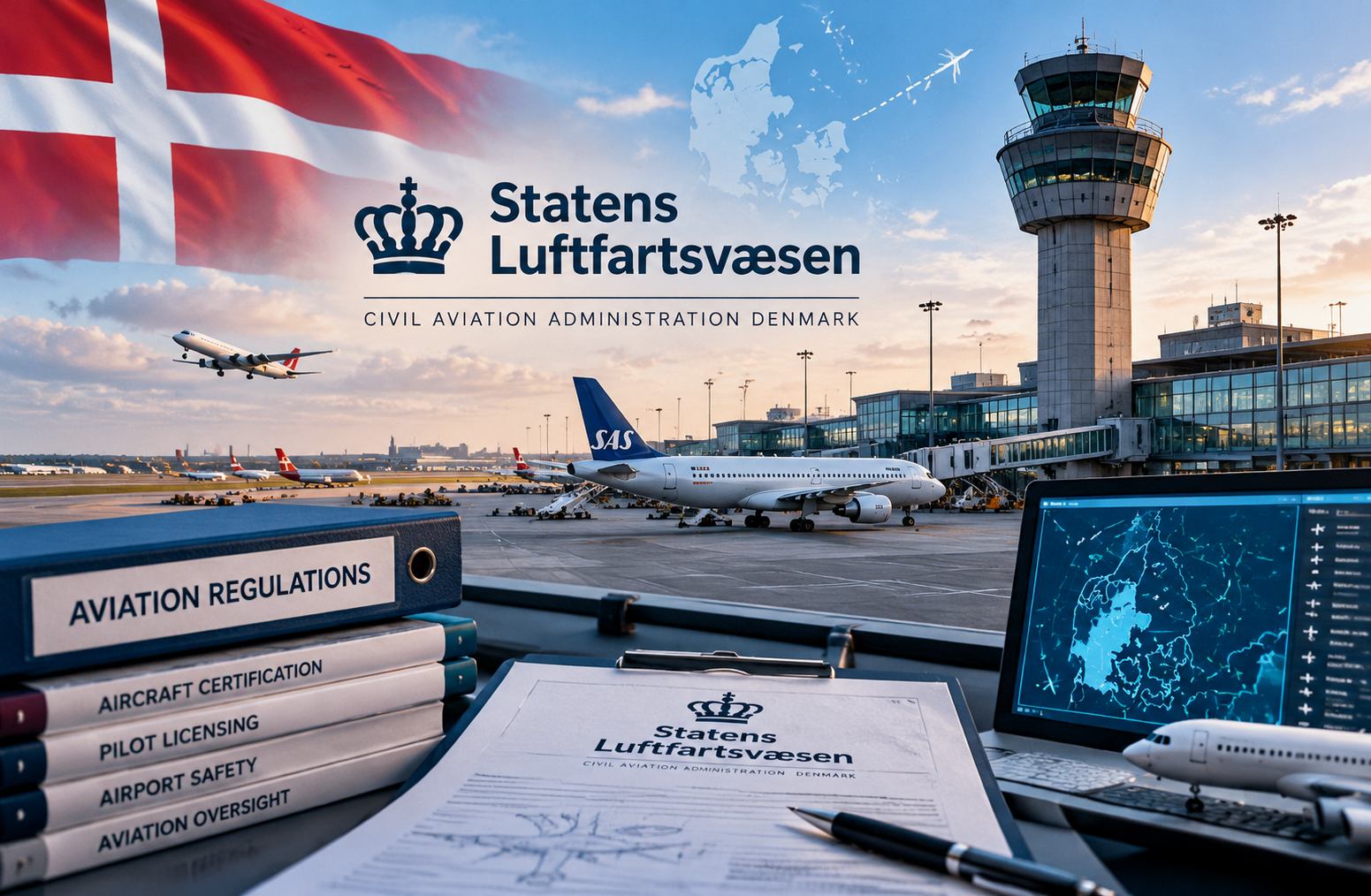
Statens Luftfartsvæsen was Denmark’s official civil aviation authority responsible for regulating, supervising, and developing safe aviation operations across the country. The organization played a major role in maintaining aviation standards by overseeing aircraft safety, pilot licensing, airline operations, airport regulations, and compliance with national and international aviation rules.
Known internationally as the Civil Aviation Administration Denmark (CAA-DK), Statens Luftfartsvæsen worked as a government body that ensured Danish aviation activities followed strict safety requirements. Although the organization no longer exists as a separate authority, its responsibilities continue through Denmark’s modern transport and aviation regulatory framework.
What Was Statens Luftfartsvæsen?
Statens Luftfartsvæsen translates to the State Aviation Authority of Denmark. The organization was responsible for managing civil aviation matters and ensuring that airlines, aircraft operators, airports, and aviation professionals followed established safety regulations.
The authority operated as Denmark’s main aviation regulator and worked to create a secure and reliable aviation environment. Its responsibilities covered different areas of aviation, including aircraft certification, pilot approvals, airport supervision, and aviation safety monitoring.
The organization was especially important because aviation requires strict government oversight. Aircraft operations involve complex technology, highly trained professionals, and international safety requirements. Statens Luftfartsvæsen helped maintain confidence in Denmark’s aviation system by ensuring that safety standards were properly followed.
History and Development of Statens Luftfartsvæsen
The development of Statens Luftfartsvæsen was connected with the growth of aviation in Denmark. As commercial air travel expanded, Denmark needed a specialized authority to regulate airlines, aircraft operations, and airport activities.
During the early development of aviation, governments around the world created civil aviation authorities to manage safety standards and ensure organized growth within the industry. Denmark followed this approach by establishing a dedicated aviation administration responsible for controlling aviation activities.
Over the years, Statens Luftfartsvæsen adapted to major changes in the aviation industry, including:
- Growth of commercial airlines
- Introduction of advanced aircraft technology
- Increased passenger air travel
- Development of international aviation standards
- Stronger aviation security requirements
The organization worked closely with international aviation bodies and followed global aviation principles to maintain Denmark’s position within the international aviation network.
In 2010, Denmark reorganized several government transport agencies, and Statens Luftfartsvæsen was merged into Trafikstyrelsen (Danish Transport Authority). After this change, aviation regulatory responsibilities continued under the new structure.
Purpose and Importance of Statens Luftfartsvæsen
The main purpose of Statens Luftfartsvæsen was to make civil aviation safer, more efficient, and more organized in Denmark.
Aviation safety depends on many factors, including:
- Proper aircraft maintenance
- Qualified pilots
- Safe airport operations
- Effective aviation regulations
- Continuous monitoring
The authority helped ensure that aviation companies met required standards before operating. Without aviation regulators, airlines and aircraft operators would not have a consistent system for maintaining safety and reliability.
The organization also helped Denmark align with international aviation requirements, allowing Danish airlines and aviation companies to operate within global aviation systems.
Main Responsibilities and Functions
Aviation Safety Regulation
One of the most important responsibilities of Statens Luftfartsvæsen was aviation safety oversight.
The authority monitored whether airlines, aircraft operators, and aviation organizations followed safety regulations. This included reviewing operational procedures, inspecting aviation activities, and ensuring compliance with established standards.
Safety regulation helped reduce risks associated with air travel and created a more controlled aviation environment.
Aircraft Registration and Certification
Statens Luftfartsvæsen managed important aircraft-related processes, including registration and certification.
The authority ensured aircraft met technical and operational requirements before being used for aviation activities.
This involved:
- Aircraft registration
- Airworthiness approvals
- Technical inspections
- Maintenance compliance
Aircraft owners and operators needed to meet these requirements to legally operate within Danish aviation.
Pilot Licensing and Aviation Personnel
Another major responsibility was regulating aviation professionals.
Statens Luftfartsvæsen managed requirements related to:
- Pilot licenses
- Flight training organizations
- Aviation examinations
- Professional qualifications
The authority ensured that pilots and aviation workers had the necessary training, experience, and qualifications to perform their duties safely.
Airport Oversight
Airports require strict safety management because they handle large numbers of passengers, aircraft, and complex operations.
Statens Luftfartsvæsen supervised airport activities by ensuring airports followed safety regulations and operational standards.
Its airport-related responsibilities included:
- Airport certification
- Safety procedures
- Infrastructure requirements
- Operational monitoring
Airline Supervision
Commercial airlines operating in Denmark were required to follow aviation regulations monitored by Statens Luftfartsvæsen.
The authority reviewed airline operations to ensure companies maintained proper safety systems and complied with aviation laws.
Relationship With International Aviation Organizations
Statens Luftfartsvæsen worked within the wider international aviation system.
The organization followed standards developed by major aviation bodies, including:
International Civil Aviation Organization (ICAO)
ICAO develops global aviation standards and recommended practices for countries around the world. Danish aviation regulations were influenced by international ICAO guidelines.
European Union Aviation Safety Agency (EASA)
As European aviation regulations developed, Denmark increasingly operated within the European aviation safety framework managed by EASA.
Naviair
Naviair is Denmark’s air navigation service provider responsible for air traffic management services. While regulatory authorities and operational aviation services have different roles, both contribute to Denmark’s aviation system.
Benefits of Statens Luftfartsvæsen
Statens Luftfartsvæsen provided several important benefits to Denmark’s aviation industry.
Improved Aviation Safety
The authority helped maintain high safety standards by monitoring airlines, aircraft, pilots, and airports.
Public Trust in Air Travel
Passengers depend on aviation authorities to ensure that flights are operated safely. Government oversight helped increase confidence in Danish aviation.
International Aviation Compliance
By following global aviation standards, Denmark remained connected with international air transport systems.
Support for Aviation Growth
Clear regulations allowed airlines, airports, and aviation businesses to develop within a structured environment.
Challenges and Limitations
Like many aviation regulators, Statens Luftfartsvæsen faced challenges as the aviation industry changed.
Rapid Technology Development
Aircraft technology continues to evolve, requiring regulators to update their knowledge and standards regularly.
Balancing Regulation and Growth
Aviation authorities must maintain strict safety rules while allowing airlines and aviation businesses to grow.
European Aviation Integration
The increasing role of European aviation regulations changed how national aviation authorities operated. Many responsibilities became connected with European-wide systems.
Who Used Statens Luftfartsvæsen Services?
Several groups depended on Statens Luftfartsvæsen for aviation-related approvals and regulations.
Airlines
Airlines required regulatory approval and safety monitoring to operate legally.
Pilots
Pilots depended on the authority for licensing and professional certification.
Aircraft Owners
Private and commercial aircraft owners needed registration and airworthiness approvals.
Airports
Airport operators worked with the authority to maintain safety standards and certifications.
Flight Training Organizations
Aviation schools required approval to provide pilot education and training.
Does Statens Luftfartsvæsen Still Exist?
No, Statens Luftfartsvæsen no longer operates as an independent government agency.
In 2010, the organization was merged into Trafikstyrelsen as part of Denmark’s transport administration reforms. The aviation responsibilities previously managed by Statens Luftfartsvæsen continued under the modern Danish transport authority system.
Today, Danish aviation regulation focuses on areas such as:
- Aviation safety
- Drone regulation
- Sustainable aviation
- Digital aviation systems
- European aviation cooperation
Frequently Asked Questions
What is Statens Luftfartsvæsen?
Statens Luftfartsvæsen was Denmark’s former civil aviation authority responsible for regulating aviation safety, aircraft operations, pilots, and airports.
What does Statens Luftfartsvæsen mean?
The term means Denmark’s state aviation authority or civil aviation administration.
When did Statens Luftfartsvæsen close?
The organization was merged into Trafikstyrelsen in 2010.
What replaced Statens Luftfartsvæsen?
Its responsibilities continued under Denmark’s transport authority structure, mainly through Trafikstyrelsen.
Why was Statens Luftfartsvæsen important?
It helped maintain safe aviation operations by regulating aircraft, airlines, airports, and aviation professionals.
Conclusion
Statens Luftfartsvæsen was a key institution in the history of Danish aviation. As Denmark’s former civil aviation authority, it played an important role in improving aviation safety, regulating aircraft operations, managing pilot licensing, and supervising airports.
Although the organization no longer exists independently, its work continues through modern aviation authorities that maintain Denmark’s commitment to safe and efficient air transport. Understanding Statens Luftfartsvæsen provides valuable insight into how Denmark developed a strong and internationally connected aviation system.

Related Posts

Jernsenger: Complete Guide to Iron Beds, Styles, Benefits, and Buying Tips

SEO Instant Appear HighSoftware99.com: Complete Guide to Fast Search Visibility